
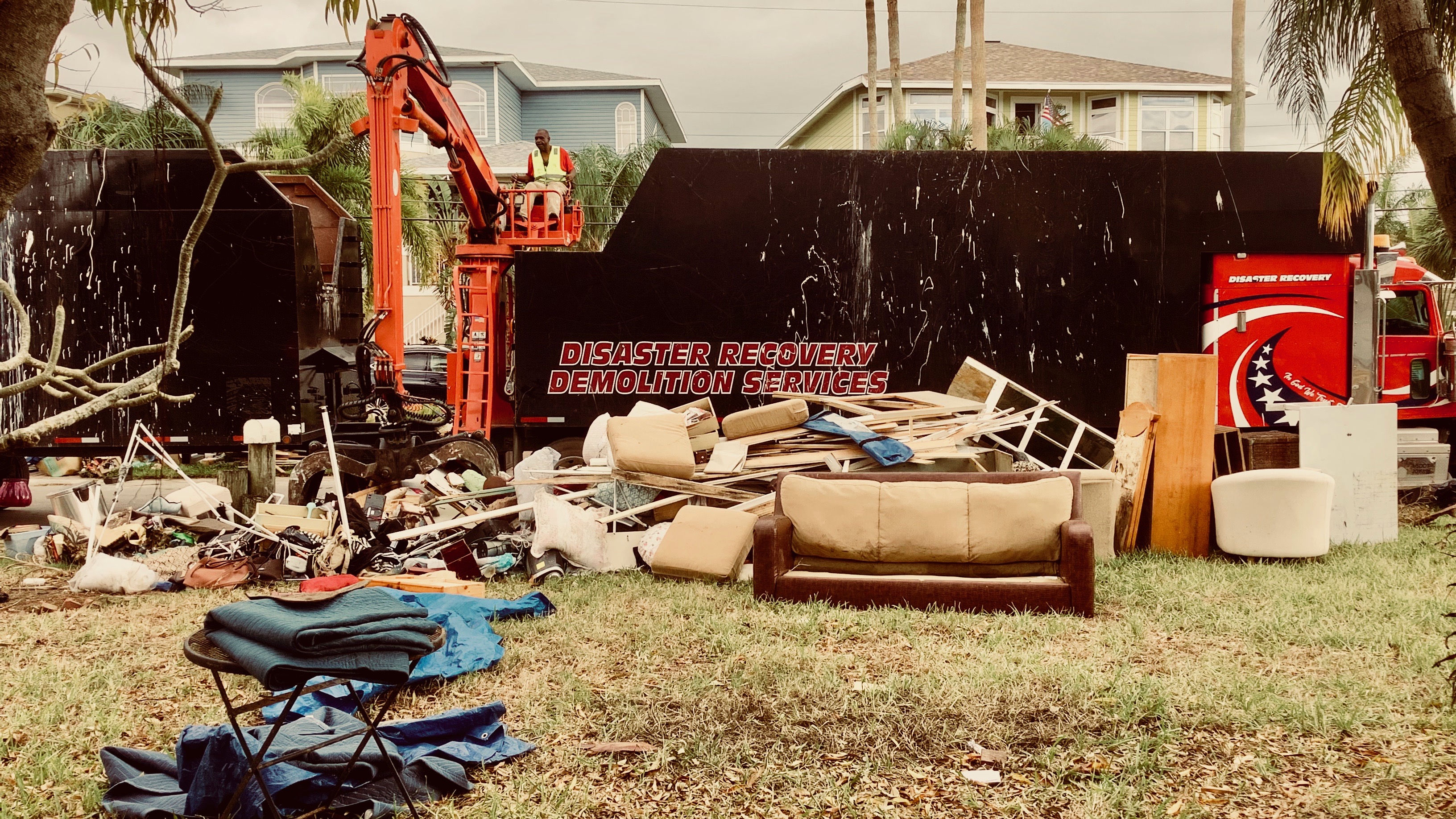
If you own a home in Dunedin—especially near the coastline, the causeway, or any of our barrier islands—you remember Hurricane Helene.
The storm surge that swept through our coastal communities in 2024 left behind more than sand and debris. It left behind questions. Questions about insurance. Questions about rebuilding. And now, for anyone thinking of selling, questions about what you are legally required to tell a potential buyer.
Florida law has changed. And if you are a homeowner, you need to know exactly what those changes mean before you put a “For Sale” sign in the yard.
The Law: Florida Statute §689.302
In October 2024, Florida enacted House Bill 1049, creating Section 689.302 of the Florida Statutes. For the first time, sellers of residential property were required to provide a formal flood disclosure to buyers.
Then, in October 2025, the law was expanded.
Today, the law requires sellers to complete and provide a flood disclosure form at or before the time the sales contract is executed. This applies to:
- Single-family homes
- Condominiums
- New construction
- Vacant land
📋 The Three Questions Sellers Must Now Answer
The disclosure form, set by statute, requires sellers to check boxes and answer three specific questions:
1. Flooding During Ownership
“Seller has ☐ has no ☐ knowledge of any flooding that has damaged the property during Seller’s ownership of the property.”
What this means: Previously, sellers only had to disclose flooding that resulted in an insurance claim. Now, any flooding you know about—whether or not you filed a claim—must be disclosed.
If water from Helene entered your home, even if you paid out of pocket for repairs and never called your insurance company, you must check the box.
2. Insurance Claims
“Seller has ☐ has not ☐ filed a claim with an insurance provider relating to flood damage on the property, including, but not limited to, a claim with the National Flood Insurance Program.”
What this means: If you filed a flood insurance claim—with NFIP or a private insurer—you must disclose it.
3. Federal Assistance
“Seller has ☐ has not ☐ received assistance for flood damage to the property, including, but not limited to, assistance from the Federal Emergency Management Agency.”
What this means: If you received FEMA disaster assistance after Helene, that must be disclosed. The 2025 update removed the requirement that assistance be from a federal source—now any assistance received to fix flood damage must be disclosed .
⚠️ What the Law Does NOT Require
The law has limits. It does not require sellers to:
- Disclose whether the property is in a FEMA-designated flood zone
- Provide flood insurance premium history or current costs
- Disclose flood damage that occurred before the seller owned the property (unless the seller has knowledge of it affecting the property’s condition)
This means buyers still need to do their own research. But for sellers, the rule is simple: If you know about flooding, you must tell.
🏘️ New Rules for Landlords, Too
Starting October 2025, the law also created Section 83.512, requiring landlords to provide a similar flood disclosure to tenants signing a lease of one year or longer.
Landlords must disclose:
- Whether they know of any flood damage to the property during their ownership
- Whether they have filed flood insurance claims
- Whether they have received assistance for flood damage
The disclosure must be in a separate document—not buried in the lease. And if a landlord fails to disclose and the tenant suffers substantial flood damage, the tenant may terminate the lease and receive a full refund of advance rent .
🌊 Why This Matters for Dunedin
Dunedin is coastal. We have Caladesi, Honeymoon Island, the Causeway, and neighborhoods that saw water where water should not be during Helene.
If your home flooded—even if you have since repaired every inch—the law now requires you to tell future buyers. This is not about shame. It is not about blame. It is about transparency .
As State Representative Christine Hunschofsky, who sponsored the legislation, put it: “I think with so many people in the state of Florida not being aware that flood insurance is not included in your homeowners insurance, I think this bill will be helping a lot of Floridians” .
The law is designed to ensure buyers know what they are buying into—especially in a state where flooding is not a matter of if, but when.
📌 What You Should Do Now
If you are a homeowner:
- Keep records of any flood damage, repairs, insurance claims, or FEMA assistance
- When you sell, answer the disclosure form honestly
- Consult a real estate professional or attorney if you are unsure
If you are a buyer:
- Read the disclosure carefully
- Do not stop there—check FEMA flood maps, ask about insurance costs, and consider a flood inspection
- Remember: the disclosure tells you what the seller knows. It does not tell you everything.
If you are a landlord:
- Update your lease forms to include the separate flood disclosure
- Be prepared to answer the same three questions as home sellers
Looking Ahead
The 2024 and 2025 legislative changes are likely not the last word on flood disclosure in Florida. Lawmakers have already signaled interest in further updates . But for now, this is the law.
And for Dunedin—a town defined by its relationship to the water—knowing the law is the first step toward protecting your biggest investment.
—
The Suntropolitan will continue to follow local development, real estate, and coastal issues. If you have questions about this law or a story to share about your experience after Helene, reach out to us at hello@suntropolitan.com.
📊 Sources Used
Information Source
Statute text and form language Florida Legislature
2024 enactment and gaps University of Miami Law Review
2025 expansion (knowledge of any flooding) Florida Realtors / R&R Realty
Rental disclosure (Section 83.512) Massey Law Group
Sponsor interview and intent WUWF Public Media
Post-hurricane legal context Hill Ward Hende